
Trauma & PTSD · 9 November 2026 · Liam Farrell, Psychotherapist
Does What Happened to Me Count as Trauma? When to Get Help in Ireland
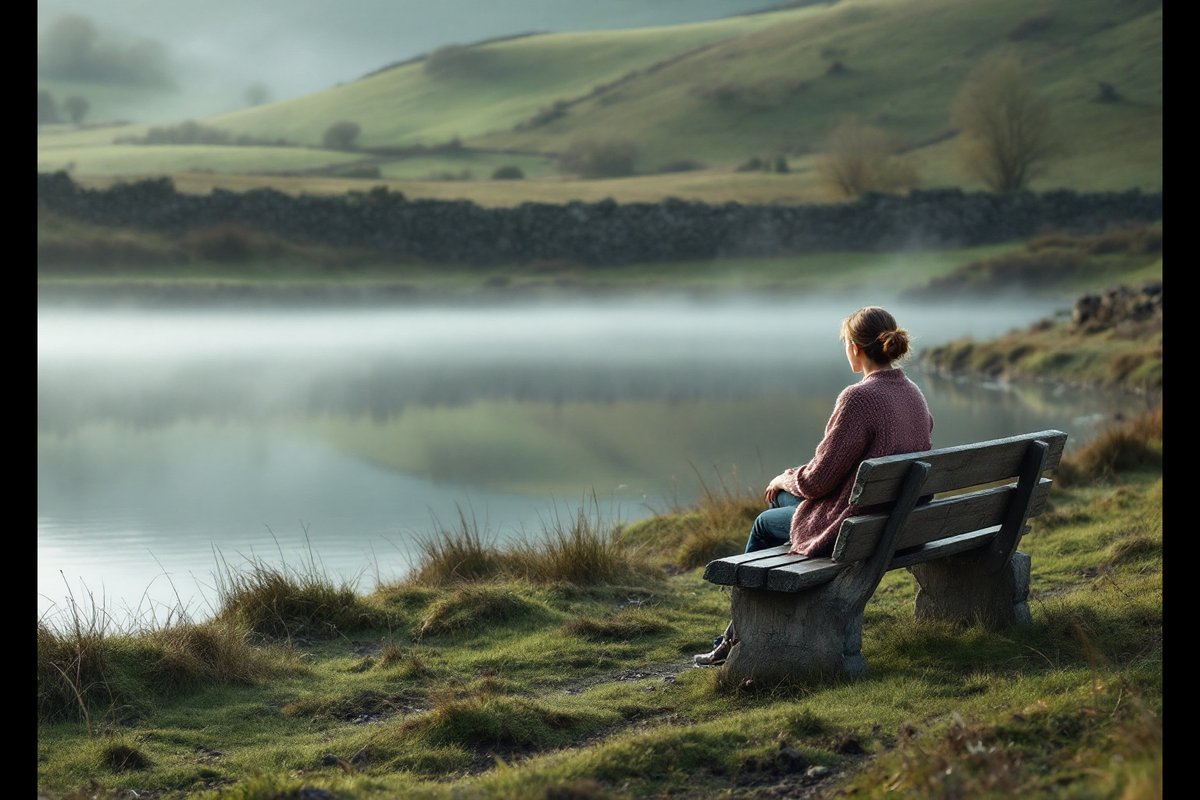
Yes, it can count. Trauma isn’t defined by how dramatic the event looks from outside. It’s about how overwhelmed you were at the time, and whether your mind and body are still carrying it now.
That means a car crash can leave a mark. So can a frightening hospital stay, a bullying workplace, years of walking on eggshells at home, or a loss that came with no warning. If you keep wondering whether it was “bad enough”, that question alone is worth paying attention to.
Why so many people doubt their own story
In Ireland we’re good at getting on with it. “Others had it worse” is practically a national reflex, and it’s often said with kindness. But it can leave you filing your own experience under “not serious” for years.
But comparing doesn’t make the effects go away. Two people can live through the same event and come out very differently, depending on their age, the support around them, what else was going on in their lives and a lot more besides.
Signs it might still be with you
There’s no tick-list, but these are some of the ways it often shows up:
- Memories or images that barge in when you don’t want them
- Nightmares, or sleep that never feels safe
- Feeling jumpy, on guard, or startled by small noises
- Avoiding places, people or conversations that remind you
- Feeling numb, detached, or oddly flat about things that used to matter
- Sudden anger or tearfulness that seems out of proportion
Having some of these doesn’t mean something is wrong with you. They’re common reactions to overwhelming experiences. Only a qualified professional can talk through what’s going on for you personally, and this article can’t do that.
When it’s worth reaching out
The HSE says that if symptoms have only lasted a few weeks, a GP may simply keep an eye on how you’re going, and many people improve without treatment in that time. So a rough few weeks after something frightening isn’t, on its own, a reason to panic.
It’s a different picture if things have dragged on for months or years, or if they’re getting in the way of work, sleep or the people you love. The HSE is also clear that PTSD can be treated many years after the event. It’s never too late to ask for help, and you don’t have to wait until you hit a wall.
How help works in Ireland
The usual public route starts with your GP, who can talk it through and, if they think it’ll help, refer you on to a mental health specialist or a community mental health team. The HSE lists trauma-focused CBT and EMDR among the main talking therapies, with medicine used in certain cases. Waiting times for public services vary, so ask your GP what to expect where you live.
Plenty of people also go for private counselling, alongside that route or instead of it. You can usually start sooner, and you set the pace. Our counsellors work online right across Ireland and in person in Limerick, with evening and weekend appointments, so sessions can fit around work and family. Most of our clients choose online sessions, which can feel easier when you’re nervous about walking into a room.
You won’t be asked to relive everything in your first session. A good counsellor lets you decide how much to say and when. If you’d like to know what that looks like, our page on what to expect walks you through it.
Something small you can try today
Pick one thing that tells your body you’re safe right now. It might be feeling your feet on the floor, naming five things you can see in the room, or stepping outside for a few minutes of air. It won’t undo anything. But it gives your nervous system a short break, and that’s a fair place to start.
If you’d like to talk to someone, an introductory full session, €40, is a low-risk way to see whether counselling feels right. Many clients see meaningful improvement within nine to twelve sessions, though everyone’s pace is their own.
Mind Healing Counselling is not a crisis service. If you’re struggling right now and need to talk to someone urgently, you can call the Samaritans free on 116 123, any time of day or night, or text HELLO to 50808 to reach a trained crisis volunteer. In an emergency, call 999 or 112.
Thinking about counselling?
Start with a €40 introductory session, online anywhere in Ireland or in person in Limerick, and see how it feels. No obligation to continue.