
Trauma & PTSD · 5 October 2026 · Liam Farrell, Psychotherapist
What Are the Signs of Complex PTSD in Adults?
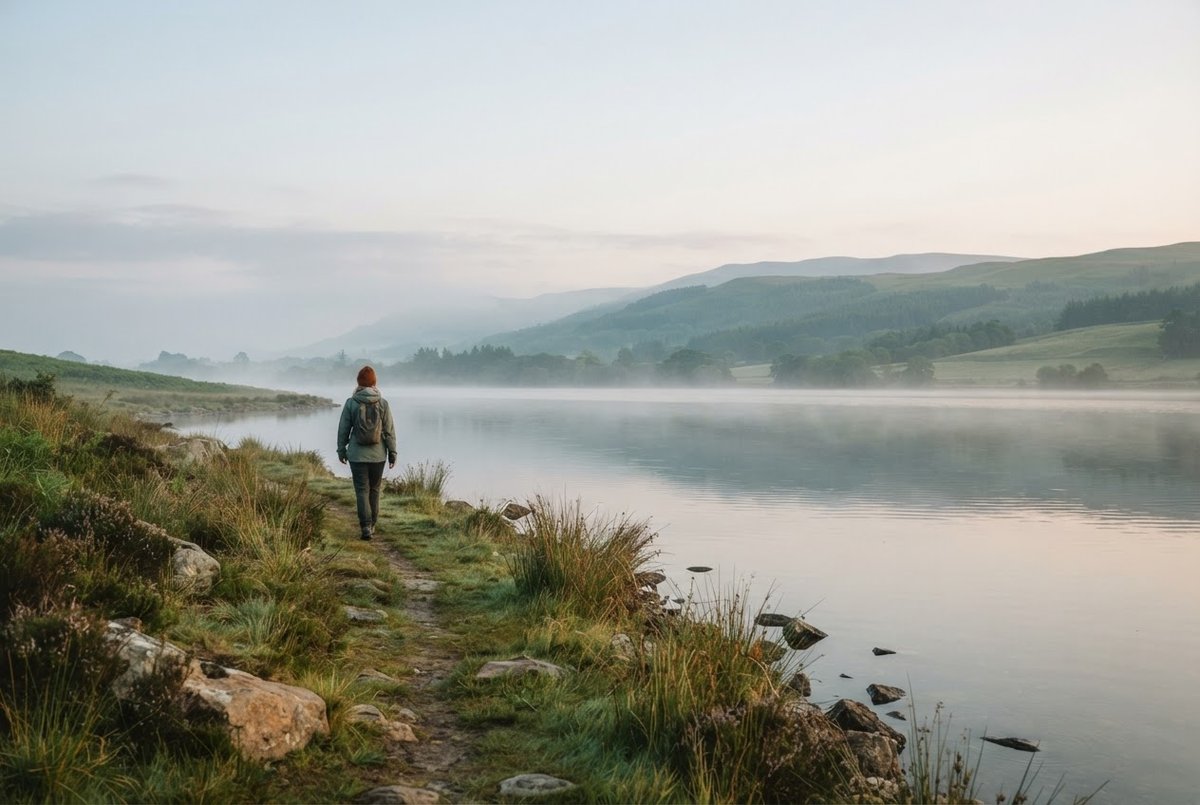
Complex PTSD tends to show up as a cluster: strong emotional reactions that feel bigger than the moment, a harsh inner voice, trouble trusting people, and a nervous system that never quite switches off. What usually sets it apart from ordinary PTSD is the timeline. It grows out of stress that went on for a long time, often in childhood, rather than one single frightening event.
If you’ve been reading lists of symptoms and quietly recognising yourself, that recognition is worth taking seriously. It doesn’t mean something is wrong with you. It means your reactions might make a lot more sense than you’ve been giving them credit for.
What complex PTSD actually is
Regular PTSD is usually linked to a specific event. A crash, an assault, a sudden loss. Complex PTSD, sometimes written as CPTSD, tends to come from something more drawn out. Growing up around instability. A long relationship where you never felt safe. Years of feeling responsible for keeping everyone else okay.
When the pressure lasts long enough, your body adapts to it. Staying alert, reading the room, bracing for the next thing, all of that becomes normal. The trouble is your system keeps running that programme long after the danger has gone. So you end up reacting to a mildly tense email the way you once had to react to something genuinely threatening.
Complex PTSD isn’t treated the same way in every diagnostic manual, and only a qualified professional can assess what’s going on for you. But it’s a recognised pattern, and naming it helps a lot of people finally understand why they’ve felt the way they have.
The signs that tend to cluster together
No two people look the same, but a few themes come up again and again, in the research and in the counselling room.
- Emotional overwhelm that arrives fast. Small things set off big feelings. Rage, panic or grief that floods in before you’ve had a chance to think.
- A deep sense of being flawed. Not “I made a mistake” but “there’s something wrong with me at the core.” Shame that sits underneath everything.
- Feeling on guard all the time. Scanning faces for signs of trouble, struggling to relax, tired in a way that sleep doesn’t fix.
- Trouble trusting, even good people. Part of you keeps waiting for the person to turn, leave or let you down.
- Going numb or checking out. Zoning out, feeling far away from your own life, or noticing whole stretches of time pass in a fog.
- Mood that swings without much warning. From irritable to flat to tearful and back, often with no obvious trigger.
You don’t need the full set for any of this to matter. If two or three of these feel familiar and they’re getting in the way of your life, that’s reason enough to look closer.
Why emotional flashbacks catch you off guard
This is the one people rarely have words for, so it’s worth slowing down on.
A classic flashback comes with pictures. You see the event replay. An emotional flashback usually doesn’t. There’s no film, just the feeling. Suddenly you’re small, helpless, ashamed or terrified, and there’s no obvious reason attached.
Say a colleague is short with you and out of nowhere you feel about seven years old and in trouble. That’s often an emotional flashback. Your body has matched something in the present to something old, and it’s handed you the feeling without the memory to explain it.
Because there’s no clear story, people tend to assume they’re just being dramatic or oversensitive. They’re not. Once you know what an emotional flashback is, you can start to catch it happening: “This feeling is very big, very familiar, and doesn’t quite fit right now.” That pause, that bit of naming, is where some of your power comes back.
Is it worth getting support?
If these patterns are shaping your relationships, your work or how you feel about yourself, then working with someone can genuinely help. Trauma has a way of convincing you it’s a permanent part of who you are. Often it’s a set of learned responses, and responses can be worked with.
Therapy for this kind of thing tends to move at a careful pace. Good trauma counselling doesn’t drag you back through everything on day one. It starts with steadying the ground: helping your nervous system feel a bit safer, building ways to handle the big feelings, and only then gently making sense of where they came from.
At Mind Healing Counselling we work in an integrative way, drawing on CBT, person-centred, psychodynamic and mindfulness approaches, usually across a structured twelve-week framework. That means the work is paced and shaped around you rather than forced through a single method. Many clients see meaningful improvement within nine to twelve sessions, though trauma work is personal and there’s no fixed timeline that fits everyone.
Our counsellors are registered with the APCP, BACP and IACP. We see people online right across Ireland and in person in Limerick, with evening and weekend availability, and there’s a €40 introductory full session if you’d like to start by simply talking it through, with no pressure to commit further. If you want a sense of how sessions run first, you can read what to expect.
A gentler way to hold it
Here’s the reframe worth carrying away. The signs of complex PTSD aren’t evidence that you’re broken. They’re evidence that you adapted, cleverly and at some cost, to conditions that asked too much of you for too long.
Those adaptations kept you going. They just don’t have to run the whole show now. With the right support, and at a pace that feels manageable, many people find those old responses start to loosen their grip and life gets more room to breathe.
You’re allowed to want that. And you’re allowed to ask for help getting there.
If you’re struggling right now and need to talk to someone urgently, you can call the Samaritans free on 116 123, any time of day or night, or text HELLO to 50808 to reach a trained crisis volunteer. In an emergency, call 999 or 112. Mind Healing Counselling is not a crisis service.
Thinking about counselling?
Start with a €40 introductory session, online anywhere in Ireland or in person in Limerick, and see how it feels. No obligation to continue.