
Anger · 2 November 2026 · Liam Farrell, Psychotherapist
Why Do I Get So Angry When I'm Driving? Road Rage on Irish Roads
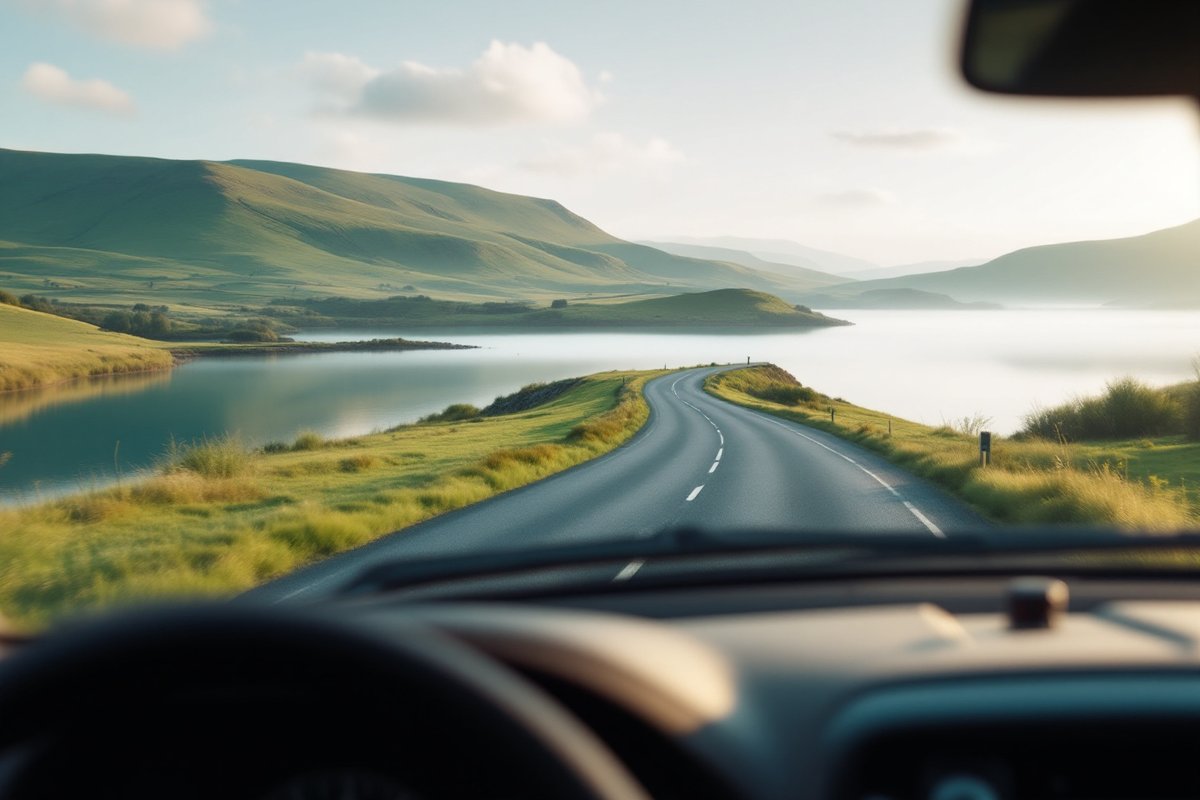
Driving makes plenty of ordinary, decent people angry because it takes away most of what normally keeps us patient. You can’t see the other person’s face, you can’t explain yourself, and you’re sealed in a metal box that feels like an extension of you. When someone cuts in, your brain reads it as a personal insult before you’ve had time to think.
If you’re in Ireland and the dark evenings have just made the commute feel longer, you’re not imagining it. Headlights, wet roads, tailbacks on the way into Limerick or Dublin, and a day’s worth of stress already sitting in your shoulders. It doesn’t take much to tip you over the line.
Why the car brings out a different you
Think about how you’d react if someone stepped in front of you in a queue at the shop. Probably a raised eyebrow, maybe a polite “sorry, I was here.” In the car, the same thing can set off swearing, a hand on the horn and a pounding chest.
Part of it is anonymity. When we can’t see a person, it’s easy to fill in the worst version of them: selfish, reckless, doing it on purpose. Most of the time they’re lost, tired, distracted or just made a mistake, the same as you have.
Then there’s the body. Your hands are tight on the wheel, your breathing goes shallow, and your heart rate climbs. Your body is getting ready for a threat, and a near miss on a roundabout can feel like one. That fight-or-flight surge is why the anger arrives so fast and takes a while to leave.
And part of it is what you’re carrying into the car. Anger behind the wheel is often stress looking for somewhere to go. A hard day at work, money worries, a row at home that never got finished. The driver in front just happens to be the nearest target.
Signs it’s tipping into a problem
A bit of muttering at a bad overtake is normal. It’s worth paying attention when you notice things like:
- gripping the wheel so hard your knuckles ache
- tailgating, flashing lights or leaning on the horn
- running a story in your head about the other driver for the rest of the journey
- arriving at work or home still wound up, and taking it out on whoever’s there
- thinking about getting your own back
If several of those happen in one drive, or they’re happening most weeks, that’s useful information. It doesn’t make you a bad person. It’s a sign the anger is running the show a bit more than you’d like.
There’s also a practical side. Aggressive driving can bring real consequences under Irish road traffic law, from penalty points to court. A few seconds of rage isn’t worth that.
What can take the heat out
Small changes tend to help more than people expect.
Leave ten minutes earlier. Rushing is one of the quickest routes to a short fuse, and a bit of slack in the journey takes the pressure off every small delay.
Give the other driver a kinder story. Maybe they’re lost, or rushing to a hospital, or having the worst day of their year. You don’t have to believe it. Just try it on and see whether your shoulders drop a little.
Slow your breathing before you react. Breathe in for four, hold for four, out for four. It sounds too simple to matter, but it tells your body the threat has passed.
Pick your soundtrack carefully. Loud, fast music or angry talk radio can wind you up further. A podcast or something familiar and calm gives your mind somewhere else to rest.
And if you’re already boiling, pull in somewhere safe when you can. The HSE suggests taking a pause before reacting, and that applies in a layby just as much as it does in a kitchen.
When it’s about more than driving
Sometimes the car is only where the anger shows up. If you’re finding it hard to control your temper in other places too, with a partner, your kids or colleagues, it’s worth talking to someone. The HSE suggests starting with a friend, a family member, your GP or a counsellor.
Counselling can help you work out what’s feeding the anger underneath, and what your body and thoughts are doing in those first few seconds. Approaches like CBT look at the thought patterns that turn a small irritation into a big reaction. Many clients see meaningful improvement within nine to twelve sessions, though everyone moves at their own pace.
All our counsellors are members of APCP, BACP or IACP. Most of our clients choose online sessions, which suit people who are tired of sitting in traffic as it is, and we offer evening and weekend appointments online right across Ireland and in person in Limerick. If you’d like to see what it’s like, you could start with a €40 introductory full session, with no pressure to book more. You can read about what to expect first if that helps.
For now, try this on your next drive: notice the first sign your body gives you that anger’s building. A tight jaw, a clenched grip, a hot face. That’s your cue to breathe out and let a little air into the situation.
Thinking about counselling?
Start with a €40 introductory session, online anywhere in Ireland or in person in Limerick, and see how it feels. No obligation to continue.